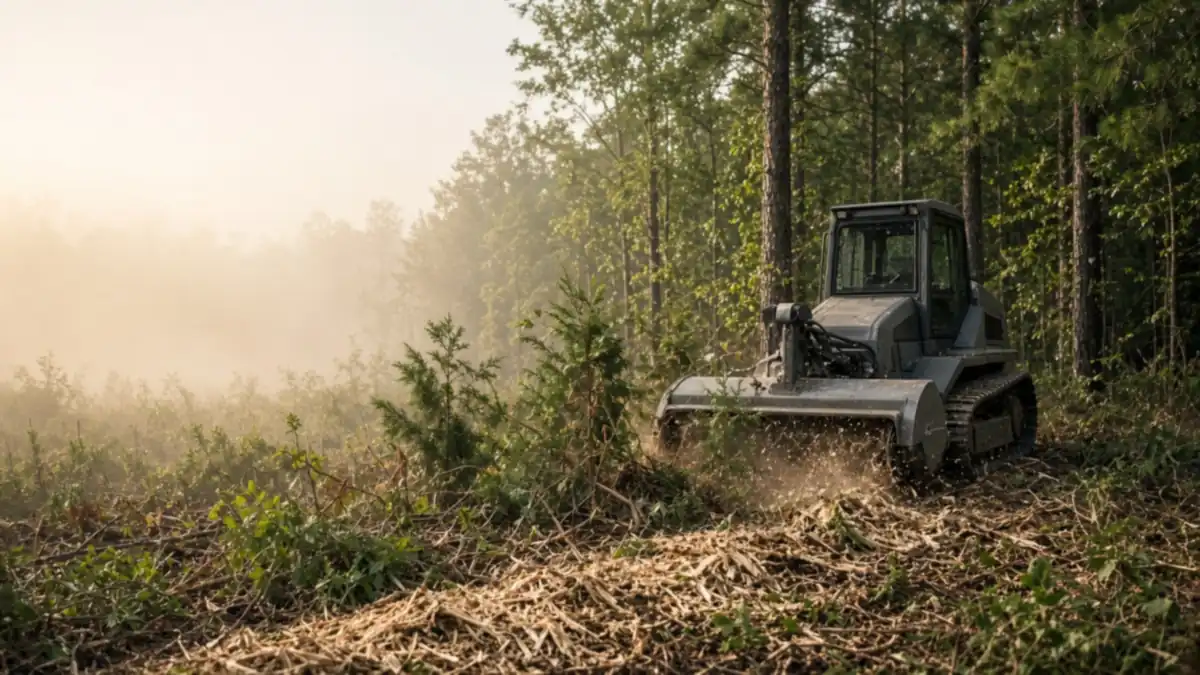
Forestry mulching services around Little Rock
Forestry mulching covers a lot of different land goals. Here's more detail on the common ones around Little Rock and what to share so a contractor can give you a realistic quote.
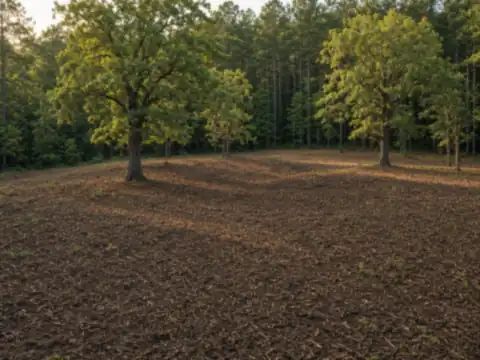
Lot & acreage clearing
Underbrush and small trees mulched in place, keeping the trees you want.
Start this request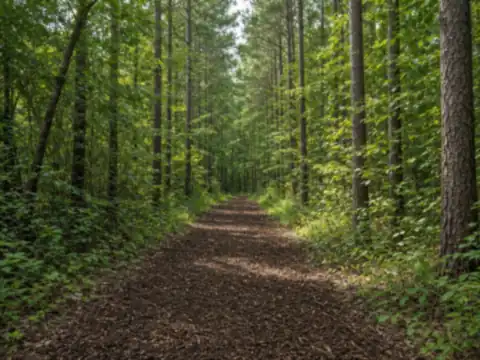
Trails & access roads
Clear paths through dense woods for ATVs, hunting and access.
Start this request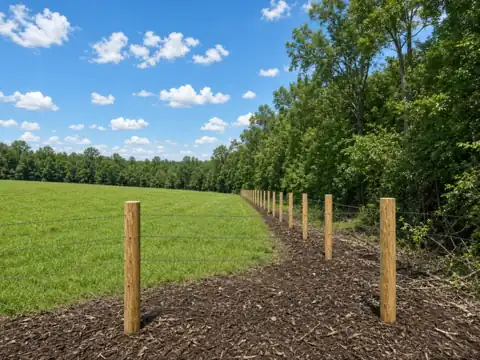
Fence lines & pasture
Reclaim overgrown fence rows and pasture edges.
Start this requestClearing for a homesite
Clearing for a new home usually means taking everything out of the building area, opening a driveway route, and thinning around the edges while keeping shade trees near the house. Mulching handles brush and small trees; larger trees may need a tree crew, and the building pad itself will usually need stump removal and grading afterward.
Mark your planned house, driveway, septic and well locations before the contractor visits, even roughly.
Cedar and invasive brush
Eastern red cedar spreads quickly through untended pasture and woods and can crowd out grasses and hardwoods. Privet, honeysuckle and other invasives create dense understories. Mulching knocks them back, though regrowth from roots and seeds means follow-up mowing or treatment is usually needed to keep them down.
Fence lines, trails and access
A mulcher can cut a clean path wide enough for fencing equipment, an ATV trail or a farm road. Paths through steep ground may need extra width or switchbacks.
Pasture reclamation
Bringing an overgrown field back into grass usually means mulching the brush, then mowing regularly, and often soil testing, liming and reseeding. The mulch layer breaks down over time.
Hunting land and wildlife
Many landowners mulch shooting lanes, food plot areas and edge habitat. Mulching in strips or patches can create varied habitat. Tell the contractor your goals.
Free matching service by Voraus LLC. We connect you with independent local forestry mulching contractors. We are not a forestry mulching contractor and do not perform the work.
Common land clearing requests
Brush and underbrush clearing
Removing thick brush, briars and small trees to open up wooded areas while keeping larger trees.
Cedar clearing
Mulching eastern red cedar that has invaded pastures and woods, a common central Arkansas problem.
Homesite and building pad clearing
Opening a site for a house, barn or shop, often followed by stump work and grading by other trades.
Fence line and property line clearing
Cutting clean paths along boundaries for new fencing, surveying or access.
Trails and roads
Creating ATV trails, walking paths, hunting lanes and access roads through wooded property.
Pasture reclamation
Bringing overgrown fields back to usable pasture or hay ground.
Firebreaks and defensible space
Reducing fuel around homes and structures and cutting firebreaks along property edges.
Right-of-way and lot clearing
Clearing for utilities, pipelines, ponds, and residential or commercial lots.
What affects the price of forestry mulching
Acreage
Most jobs are priced by the acre or by the machine hour. Larger jobs usually cost less per acre because travel and setup are spread out.
Density and size of growth
Light brush mulches quickly; thick cedar, dense thickets and larger trees take much longer per acre.
Terrain
Steep slopes, rocks, creeks and wet ground slow machines down and can limit where they can work safely.
What stays
Selective clearing around trees you want to keep takes more care and time than clearing everything.
Access and travel
Distance from the contractor's base and how easily a tracked machine can reach the work area both matter.
Extras
Stump grinding, tree removal above the mulcher's capacity, and debris hauling are often separate charges.
Ready to get your forestry mulching project moving?
A quick description is enough: "About 6 acres near Benton, mostly cedar and briars, want to clear for pasture and keep the big oaks, any time this fall."